Zero Trust Networks Explained by Lode Emmanuel Palle
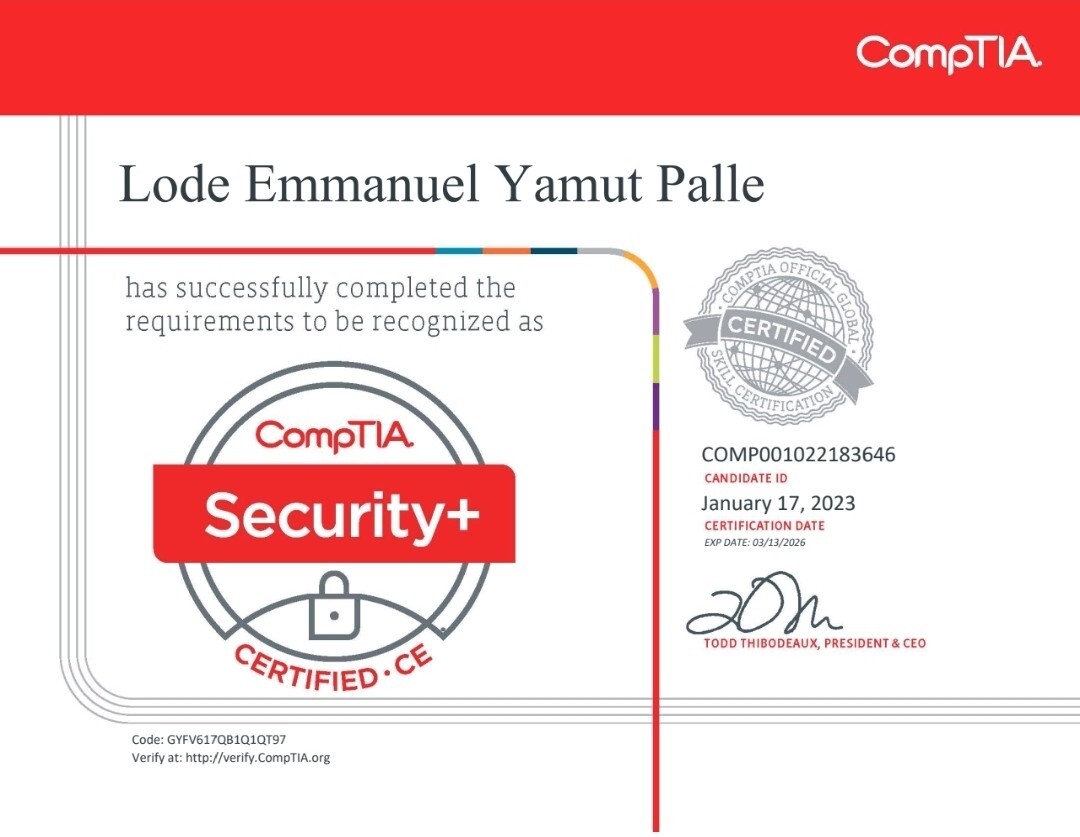
In the constantly evolving digital world, cybersecurity has become more critical than ever. Traditional security models that rely on perimeter defense are no longer sufficient to protect data and systems from increasingly sophisticated threats. Lode Emmanuel Palle, a skilled cybersecurity professional from Melbourne, emphasizes that the future of digital security lies in one powerful principle – Zero Trust. This approach redefines how organizations view trust in network architecture and how they manage data access, making it one of the most effective defenses against modern cyber threats.
The Evolution of Cybersecurity: From Perimeter Defense to Zero Trust
For decades, cybersecurity relied on the concept of perimeter security the idea that everything inside a network was safe and everything outside was potentially dangerous. Firewalls, VPNs, and intrusion detection systems formed the backbone of this model. However, as Lode Emmanuel Palle explains, this approach began to crumble with the rise of cloud computing, remote work, and mobile connectivity.
In today’s landscape, data doesn’t stay confined within an organization’s walls. Employees access systems from different locations, partners integrate with networks, and applications operate across multiple platforms. This expansion of digital boundaries means that the old “trust but verify” model no longer works. Attackers only need one breach point to move laterally across the network. Zero Trust flips this concept entirely it operates on the idea of “never trust, always verify.”
What Is a Zero Trust Network?
A Zero Trust Network (ZTN) is a cybersecurity framework that assumes every user, device, and application whether inside or outside the organization must be authenticated and authorized before gaining access. There is no implicit trust granted based on location or previous access.
According to Lode Palle, Zero Trust doesn’t mean distrusting employees or partners; instead, it’s about eliminating blind trust from systems. Each request to access a resource is verified continuously, using identity checks, contextual data, and behavioral analytics. This ensures that even if an attacker breaches one layer, they cannot move freely within the system.
Core Principles of Zero Trust (According to Lode Emmanuel Palle)
Lode Palle outlines several foundational principles that guide Zero Trust architecture:
-
Continuous Verification – Access is never granted permanently. Every user, device, and connection must be verified in real-time.
-
Least Privilege Access – Users are granted only the permissions they need to perform their tasks, minimizing the damage from compromised accounts.
-
Micro-Segmentation – The network is divided into smaller zones so that if one area is compromised, attackers can’t move laterally across systems.
-
Assume Breach – The mindset shifts from “if” to “when” a breach occurs. Systems are designed to minimize damage and speed up detection.
-
Multi-Factor Authentication (MFA) – Identity verification involves multiple steps, such as passwords, biometrics, and one-time codes.
These principles work together to create a layered defense model that focuses on identity, access control, and visibility — key areas that Lode Emmanuel Palle highlights as essential in modern cybersecurity.
Key Components of a Zero Trust Network
Implementing Zero Trust requires integrating multiple technologies and processes. Lode Emmanuel Palle identifies the following as core components of a functional Zero Trust framework:
-
Identity and Access Management (IAM): Centralized authentication systems ensure that every user and device is properly verified before accessing any resources.
-
Endpoint Security: Devices are continuously monitored for compliance with security standards and threat behavior.
-
Network Segmentation: Dividing networks into secure zones helps prevent attackers from accessing the entire infrastructure.
-
Data Encryption: Data is encrypted at rest, in transit, and during processing to ensure confidentiality and integrity.
-
Security Information and Event Management (SIEM): Real-time monitoring and analytics detect anomalies that could indicate an attack.
-
Policy Enforcement: Security policies are automated and consistently applied across all users and devices.
Each of these elements contributes to a unified ecosystem where trust is never assumed, and verification is constant.
Why Zero Trust Matters in 2025
As Lodi Emmanuel Palle notes, the growing complexity of IT infrastructures makes traditional security nearly impossible to maintain. Organizations today deal with hybrid cloud systems, remote employees, IoT devices, and third-party integrations — all of which increase potential vulnerabilities.
Cyberattacks are also becoming more sophisticated, leveraging AI, automation, and social engineering to bypass standard defenses. A Zero Trust model provides a modern solution to these evolving threats by focusing on identity-centric security rather than perimeter-based protection.
In 2025, with the rise of data privacy regulations and a greater emphasis on digital resilience, companies adopting Zero Trust are positioning themselves as leaders in proactive security. By reducing the attack surface, improving visibility, and enforcing stricter access controls, Zero Trust helps businesses safeguard sensitive data while maintaining agility.
Implementing Zero Trust: A Step-by-Step Approach
Implementing Zero Trust can seem overwhelming, but Lode Emmanuel Palle suggests starting with incremental changes rather than a complete overhaul. Here’s a simplified roadmap to get started:
-
Identify Sensitive Assets and Data: Begin by mapping out critical systems and information that require protection.
-
Assess Current Security Posture: Evaluate existing tools, policies, and vulnerabilities.
-
Establish Identity Controls: Integrate strong authentication mechanisms and enforce MFA across the organization.
-
Segment the Network: Divide systems into micro-zones with limited communication between them.
-
Adopt Continuous Monitoring: Use AI-driven analytics and SIEM tools to detect anomalies and suspicious activities.
-
Automate Security Policies: Apply consistent rules for access, encryption, and compliance through automated workflows.
-
Educate Users: Foster a culture of security awareness so that employees understand the importance of Zero Trust principles.
As Lode Emmanuel Palle highlights, the journey to Zero Trust is ongoing. It’s not a one-time implementation but a continuous evolution that adapts to new threats and technologies.
Challenges in Adopting Zero Trust
While Zero Trust offers robust protection, Emmanuel Palle acknowledges that adoption can come with challenges. These include:
-
Complex Integration: Combining new and legacy systems can be technically demanding.
-
Cultural Resistance: Employees and departments may resist the constant verification process.
-
Cost and Resource Allocation: Implementing Zero Trust requires investments in tools, training, and process redesign.
-
Visibility Gaps: Without full visibility into assets and users, Zero Trust policies may not be effectively enforced.
However, these challenges are far outweighed by the benefits of enhanced security and reduced breach risk. Organizations that plan strategically and involve both IT and management can overcome these obstacles successfully.
Lode Emmanuel Palle’s Perspective on the Future of Zero Trust
According to Lode Emmanuel Palle, Zero Trust represents more than just a cybersecurity framework — it’s a shift in mindset. In the near future, we can expect Zero Trust to evolve with AI-driven verification systems, behavior-based authentication, and automated response mechanisms.
He emphasizes that Zero Trust will become a standard part of every organization’s security infrastructure, not just for enterprises but also for small and medium businesses. As cybercriminals continue to exploit human and technical weaknesses, Zero Trust will serve as the foundation of digital defense, where trust must be earned — not assumed.
By redefining how we approach access, verification, and control, Zero Trust empowers organizations to protect what matters most — their data, reputation, and users — in an increasingly connected world.
© 2022 Lode Palle

Leave a comment