Lode Emmanuel Palle: How Cybercriminals Exploit Weak Security Systems
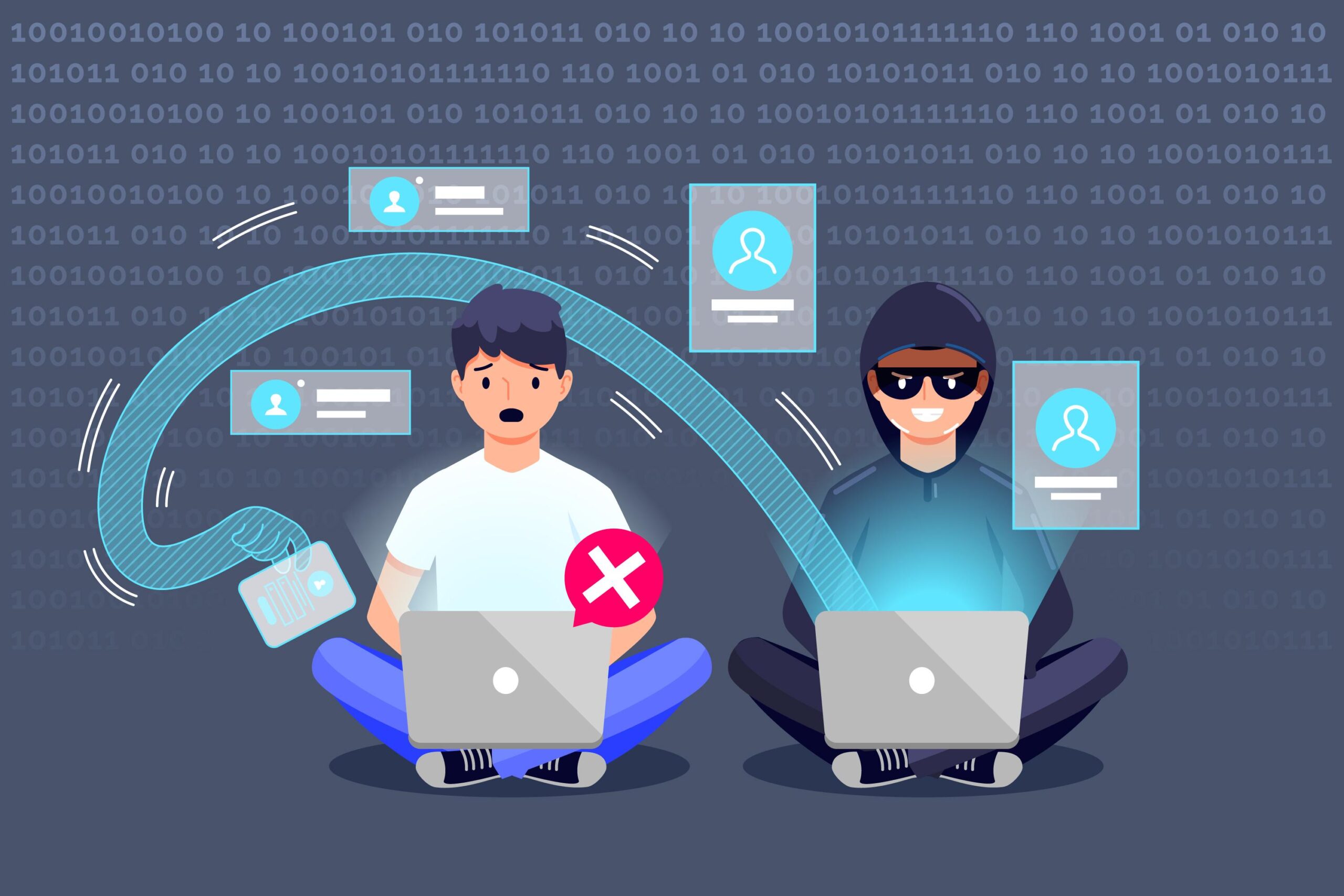
In today’s hyper-connected digital world, cybersecurity has become a critical concern for businesses of all sizes. While organizations invest heavily in advanced technologies, many still fall victim to cyberattacks due to weak security systems. Cybercriminals are constantly evolving their tactics, exploiting even the smallest vulnerabilities to gain unauthorized access.
Insights inspired by Lode Palle emphasize that most cyberattacks do not happen because systems are complex—they happen because systems are weak, misconfigured, or poorly managed. Understanding how cybercriminals exploit these weaknesses is the first step toward building a strong defense.
Why Weak Security Systems Are Easy Targets
Weak security systems act as open doors for attackers. These vulnerabilities can exist due to outdated software, poor password practices, lack of monitoring, or human error. Cybercriminals actively scan networks and systems to identify such weaknesses and exploit them quickly. The reality is simple: attackers do not break strong systems-they find the weakest link and use it to infiltrate the entire network.Common Ways Cybercriminals Exploit Weak Security
1. Exploiting Weak Passwords
One of the most common vulnerabilities is weak or reused passwords. Many users still rely on simple combinations like “123456” or reuse the same password across multiple platforms. Cybercriminals use techniques such as brute force attacks and credential stuffing to gain access to accounts. Once inside, they can move laterally within systems and access sensitive data. Prevention Tip: Use strong, unique passwords and enable multi-factor authentication (MFA).2. Phishing and Social Engineering
Human error remains one of the biggest cybersecurity risks. Attackers exploit this by sending deceptive emails, messages, or links that trick users into revealing sensitive information. Phishing attacks have become more sophisticated, often mimicking trusted brands or internal communications. Once a user clicks a malicious link, attackers can steal credentials or install malware. Prevention Tip: Train employees to recognize suspicious communications and verify sources before taking action.3. Unpatched Software and Systems
Outdated software is a goldmine for cybercriminals. Developers regularly release updates to fix security vulnerabilities, but many organizations delay or ignore these updates. Hackers exploit known vulnerabilities in unpatched systems to gain access without much effort. Prevention Tip: Regularly update software, operating systems, and applications to ensure all known vulnerabilities are patched.4. Misconfigured Cloud Settings
Cloud computing offers flexibility and scalability, but misconfigurations can expose sensitive data to the public. Improper access controls, open storage buckets, and weak authentication are common issues. Cybercriminals actively search for these misconfigurations and exploit them to access valuable data. Prevention Tip: Implement proper cloud security configurations and regularly audit your cloud environment.5. Malware and Ransomware Attacks
Malware is often used to exploit weak systems and gain control over devices. Ransomware, a type of malware, locks users out of their data and demands payment for access. Weak security measures make it easier for malware to enter systems through email attachments, downloads, or compromised websites. Prevention Tip: Use reliable antivirus software, avoid suspicious downloads, and back up data regularly.6. Lack of Network Security
Unsecured networks provide easy access points for attackers. Public Wi-Fi networks, weak firewalls, and lack of encryption can expose sensitive data. Attackers can intercept data, launch man-in-the-middle attacks, or gain unauthorized access to systems. Prevention Tip: Use secure networks, implement firewalls, and encrypt sensitive data.7. Insider Threats
Not all threats come from external sources. Employees, contractors, or partners with access to systems can intentionally or unintentionally cause security breaches. Weak access controls and lack of monitoring increase the risk of insider threats. Prevention Tip: Implement role-based access control and monitor user activity.8. Poor API Security
APIs (Application Programming Interfaces) are essential for modern applications, but poorly secured APIs can expose sensitive data and functionality. Attackers exploit weak authentication, lack of rate limiting, and insecure endpoints to gain access. Prevention Tip: Secure APIs with proper authentication, validation, and monitoring.The Role of Human Error in Security Weakness
Even with advanced technology, human behavior remains a critical factor. Employees may unknowingly click on malicious links, share sensitive information, or ignore security protocols. As highlighted in cybersecurity strategies aligned with Lode Emmanuel Palle, awareness and training are just as important as technical solutions. A well-informed workforce can significantly reduce the risk of attacks.How Businesses Can Strengthen Their Security Systems
1. Implement Multi-Layered Security
A single layer of protection is not enough. Businesses should adopt a layered approach that includes firewalls, intrusion detection systems, encryption, and endpoint security.2. Adopt Zero Trust Architecture
The Zero Trust model ensures that no user or system is trusted by default. Every access request must be verified, reducing the chances of unauthorized access.3. Conduct Regular Security Audits
Regular audits help identify vulnerabilities before attackers do. Businesses should perform penetration testing and vulnerability assessments to strengthen their defenses.4. Train Employees Continuously
Cybersecurity is not a one-time effort. Ongoing training programs help employees stay updated on the latest threats and best practices.5. Monitor and Respond in Real Time
Advanced monitoring tools can detect unusual activity and respond quickly to potential threats. Early detection can prevent small issues from becoming major breaches.The Future of Cyber Threats
Cybercriminals are becoming more sophisticated, leveraging technologies like artificial intelligence and automation to exploit vulnerabilities faster than ever. Weak security systems will continue to be the primary target. Organizations must stay ahead by continuously evolving their cybersecurity strategies. Insights inspired by Lode Emmanuel Palle highlight the importance of proactive defense, innovation, and awareness in tackling future threats. Weak security systems are the biggest opportunity for cybercriminals. From weak passwords to misconfigured cloud settings, even small vulnerabilities can lead to major breaches. By understanding how attackers exploit these weaknesses, businesses can take proactive steps to strengthen their defenses. A combination of technology, policies, and employee awareness is essential for building a secure digital environment. As emphasized through the lens of Lode Palle, cybersecurity is not just about preventing attacks—it’s about creating resilience and staying prepared in an ever-changing threat landscape.FAQs
1. What is the most common way hackers exploit systems? Weak passwords and phishing attacks are among the most common methods. 2. Why are outdated systems dangerous? They contain known vulnerabilities that hackers can easily exploit. 3. How can businesses prevent cyberattacks? By using strong security measures, training employees, and regularly updating systems. 4. What role does human error play in cybersecurity? Human mistakes are a major cause of security breaches. 5. What is the best security strategy for businesses? A multi-layered approach combined with continuous monitoring and awareness.Comment (1)
Leave a comment
© 2022 Lode Palle

Lode Palle: Why Backup Security Matters During Ransomware Events
September 16, 2026
[…] component of a broader cybersecurity strategy. A useful approach is to treat backups as protected security assets rather than ordinary […]