Why AI-Generated Malware Is the Next Big Digital Threat — Expert View by Lode Palle
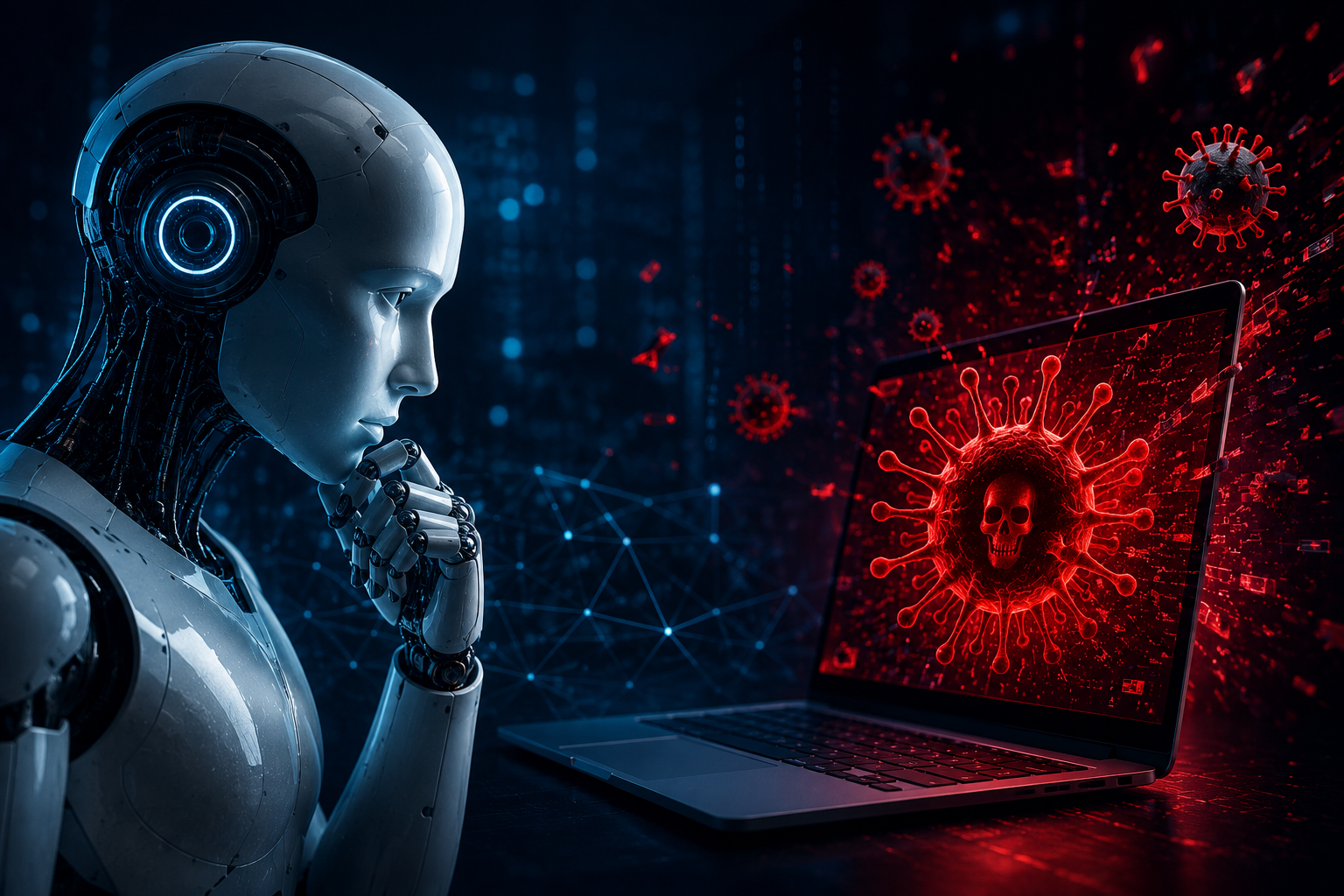
The cybersecurity landscape is evolving at an unprecedented pace, and one of the most alarming developments is the rise of AI-generated malware. As artificial intelligence becomes more advanced and accessible, cybercriminals are leveraging it to create smarter, faster, and more dangerous attacks.
According to expert insights by Lode Palle, AI-driven cyber threats are not just an emerging concern—they represent the next major wave of digital risk that individuals and organizations must prepare for immediately.
What Is AI-Generated Malware?
AI-generated malware refers to malicious software that is created, enhanced, or modified using artificial intelligence technologies. Unlike traditional malware, which requires manual coding and testing, AI-powered malware can evolve, adapt, and optimize itself in real time.
This means attackers no longer need deep technical expertise to launch sophisticated cyberattacks. AI tools can automate the process, making cybercrime more scalable and accessible.
Why AI Is a Game-Changer for Cybercriminals
Artificial intelligence introduces a new level of efficiency and intelligence into cyberattacks. Here’s why it is so dangerous:
1. Automation at Scale
AI enables attackers to generate thousands of malware variants in a short time. This makes it harder for traditional security systems to detect threats based on known signatures.
2. Adaptive Behavior
AI-powered malware can learn from its environment. It can analyze system defenses and modify its behavior to avoid detection.
3. Faster Development
What once took weeks or months to develop can now be created in minutes using AI models.
4. Lower Barrier to Entry
Even less-skilled attackers can use AI tools to create advanced malware, increasing the number of potential threats.
As Emmanuel Palle emphasizes, this democratization of cyberattack capabilities significantly raises the global risk level.
Types of AI-Driven Malware Threats
AI-generated malware is not limited to one form. It is already being used across multiple attack vectors:
1. Polymorphic Malware
This type of malware constantly changes its code to evade detection. AI enhances this by generating endless variations.
2. Phishing Attacks
AI can craft highly personalized and convincing phishing emails, making them harder to identify.
3. Ransomware Evolution
AI-driven ransomware can identify high-value targets, determine optimal attack timing, and maximize impact.
4. Deepfake-Based Attacks
Cybercriminals can use AI to create realistic audio or video impersonations, enabling social engineering attacks.
Real-World Implications
The impact of AI-generated malware is already being felt across industries:
- Financial Sector: Increased fraud and account takeovers
- Healthcare: Compromised patient data and system disruptions
- Corporate Enterprises: Intellectual property theft and operational downtime
- Government Systems: National security risks and data breaches
These threats are not hypothetical—they are actively evolving.
Why Traditional Security Is No Longer Enough
Traditional cybersecurity systems rely heavily on signature-based detection. This means they identify threats based on known malware patterns.
However, AI-generated malware can continuously change its structure, making signature-based detection ineffective.
Additionally, rule-based systems struggle to keep up with the speed and complexity of AI-driven attacks.
As Lode Palle explains, organizations must shift from reactive security models to proactive and intelligent defense strategies.
The Role of AI in Cyber Defense
Interestingly, AI is not just a threat—it is also part of the solution. Cybersecurity experts are using AI to fight AI-driven attacks.
1. Behavioral Analysis
AI can detect unusual patterns in user or system behavior, helping identify threats early.
2. Threat Prediction
Machine learning models can analyze data to predict potential attack vectors.
3. Automated Response
AI systems can respond to threats in real time, reducing damage.
However, the challenge lies in keeping defensive AI systems ahead of offensive ones.
Key Challenges in Combating AI Malware
Despite advancements, several challenges remain:
- Rapid Evolution of Threats: AI malware evolves faster than defenses
- Data Privacy Concerns: AI systems require large datasets
- Skill Gaps: Lack of trained cybersecurity professionals
- Cost of Implementation: Advanced AI security tools can be expensive
These challenges make it critical for organizations to plan strategically.
How to Protect Against AI-Generated Malware
According to Emmanuel Palle, organizations must adopt a multi-layered security approach:
1. Implement AI-Powered Security Tools
Use advanced threat detection systems that leverage machine learning.
2. Regular Security Audits
Continuously evaluate systems for vulnerabilities.
3. Employee Awareness Training
Educate employees about phishing, social engineering, and suspicious activity.
4. Zero Trust Architecture
Adopt a “never trust, always verify” approach to access control.
5. Continuous Monitoring
Monitor networks in real time to detect anomalies.
6. Backup and Recovery Plans
Ensure data can be restored in case of an attack.
The Future of AI and Cybersecurity
The future of cybersecurity will be defined by the battle between offensive and defensive AI. As AI technology continues to advance, so will the sophistication of cyber threats.
Organizations that fail to adapt will face increasing risks, while those that invest in advanced security measures will be better positioned to protect their assets.
Lode Palle highlights that cybersecurity is no longer just an IT issue—it is a business-critical priority.
AI-generated malware represents a significant shift in the cybersecurity landscape. It is faster, smarter, and more accessible than ever before, making it a formidable threat.
However, with the right strategies, tools, and awareness, organizations can mitigate these risks.
The key lies in proactive preparation, continuous learning, and leveraging AI for defense as effectively as attackers use it for offense.
As emphasized by Emmanuel Palle, the future of cybersecurity depends on our ability to stay one step ahead in this rapidly evolving digital battlefield.
© 2022 Lode Palle

Leave a comment