Lode Palle: API Security Checklist for Safer Software
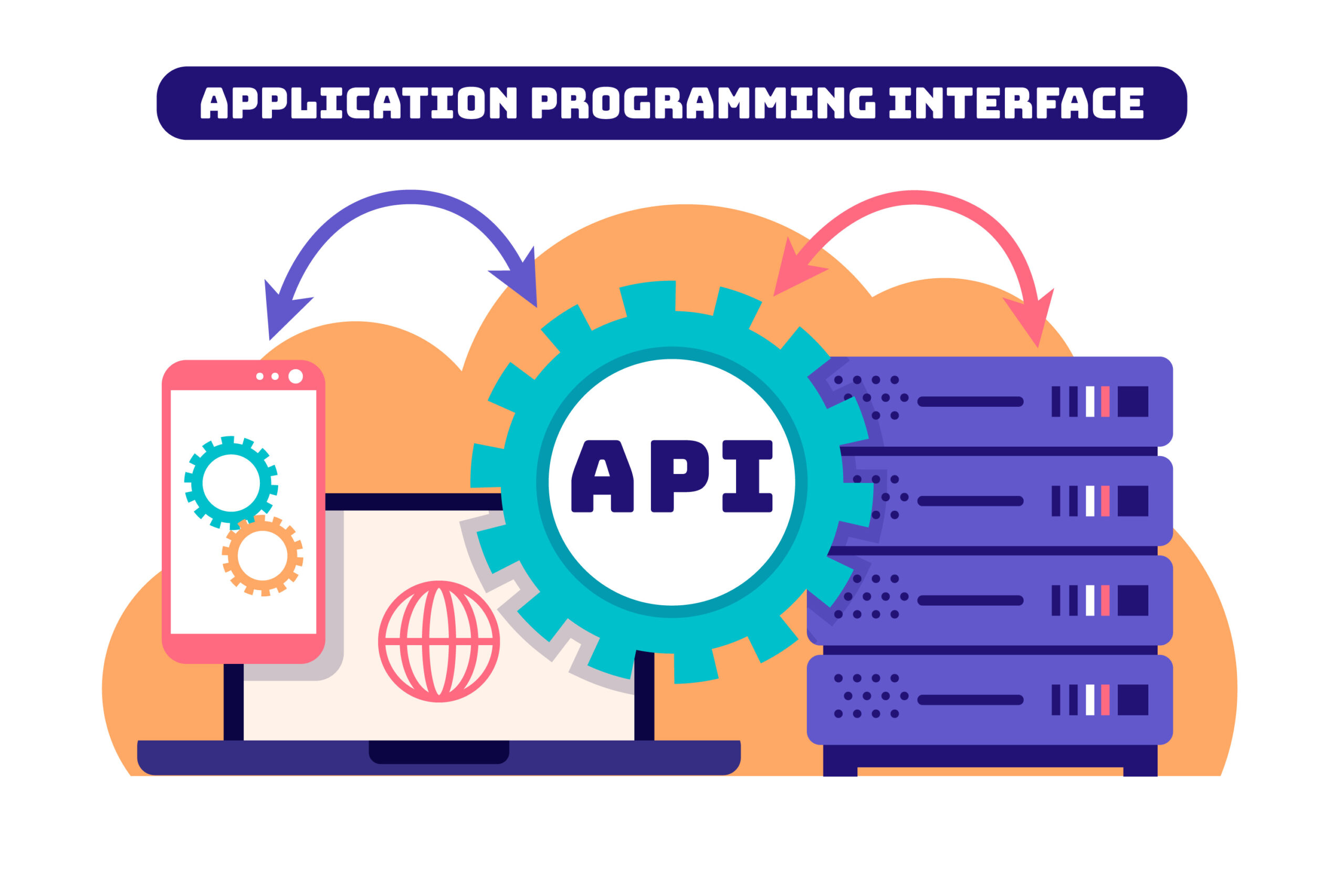
In today’s digital-first ecosystem, APIs (Application Programming Interfaces) are the backbone of modern software development. They enable seamless communication between systems, applications, and services. However, as APIs continue to grow in importance, they have also become a primary target for cyberattacks. According to insights, securing APIs is no longer optional—it is a critical requirement for building safe and resilient software systems.
This comprehensive API security checklist will help developers, businesses, and organizations strengthen their defenses and protect sensitive data from evolving threats.
Why API Security Matters
APIs expose endpoints that allow data exchange, making them attractive entry points for hackers. A single vulnerability can lead to data breaches, unauthorized access, and significant financial loss. As highlighted by Lodi Emmanuel Palle, many cyber incidents today stem from poorly secured APIs rather than traditional network weaknesses. By implementing a robust API security strategy, organizations can:- Protect sensitive user data
- Prevent unauthorized system access
- Ensure compliance with data protection regulations
- Build trust with users and clients
1. Use Strong Authentication and Authorization
One of the most fundamental steps in API security is implementing strong authentication and authorization mechanisms.- Implement multi-factor authentication (MFA) where possible
- Apply role-based access control (RBAC)
- Avoid hardcoding API keys in applications
2. Encrypt Data in Transit and at Rest
Data encryption is essential to protect sensitive information from interception.- Use HTTPS with TLS encryption for all API communications
- Encrypt sensitive data stored in databases
- Avoid transmitting plain text credentials
3. Validate and Sanitize Inputs
APIs often accept user inputs, making them vulnerable to injection attacks such as SQL injection or cross-site scripting (XSS).- Validate all incoming data
- Use input sanitization techniques
- Implement strict schema validation
- Reject unexpected or malformed requests
4. Implement Rate Limiting and Throttling
Rate limiting helps protect APIs from abuse and denial-of-service (DoS) attacks.- Limit the number of requests per user or IP
- Use throttling to control traffic spikes
- Monitor unusual activity patterns
5. Use Secure API Gateways
API gateways act as a protective layer between clients and backend services.- Centralize authentication and authorization
- Monitor and log API activity
- Detect and block suspicious traffic
6. Regularly Update and Patch Systems
Outdated software is a major security risk.- Keep API frameworks and libraries updated
- Apply security patches promptly
- Monitor for known vulnerabilities
7. Monitor and Log API Activity
Continuous monitoring helps detect and respond to threats in real time.- Enable detailed logging of API requests
- Use security monitoring tools
- Set up alerts for suspicious behavior
8. Implement Proper Error Handling
Error messages can unintentionally expose sensitive information.- Avoid revealing system details in error responses
- Use generic error messages
- Log detailed errors internally for analysis
9. Secure API Keys and Tokens
API keys and tokens should be handled with extreme care.- Store keys securely using environment variables
- Rotate keys regularly
- Set expiration times for tokens
10. Conduct Regular Security Testing
Testing is essential to identify weaknesses before attackers do.- Perform penetration testing
- Use automated security scanning tools
- Conduct vulnerability assessments
Building a Security-First Mindset
API security is not just about implementing tools—it requires a shift in mindset. Developers and organizations must prioritize security at every stage of the software development lifecycle. As highlighted by experts, adopting a “security-first” approach means:- Integrating security into development processes
- Training teams on best practices
- Staying updated on emerging threats
© 2022 Lode Palle

Leave a comment