Lode Palle: How Employee Monitoring Tools Can Strengthen Cybersecurity
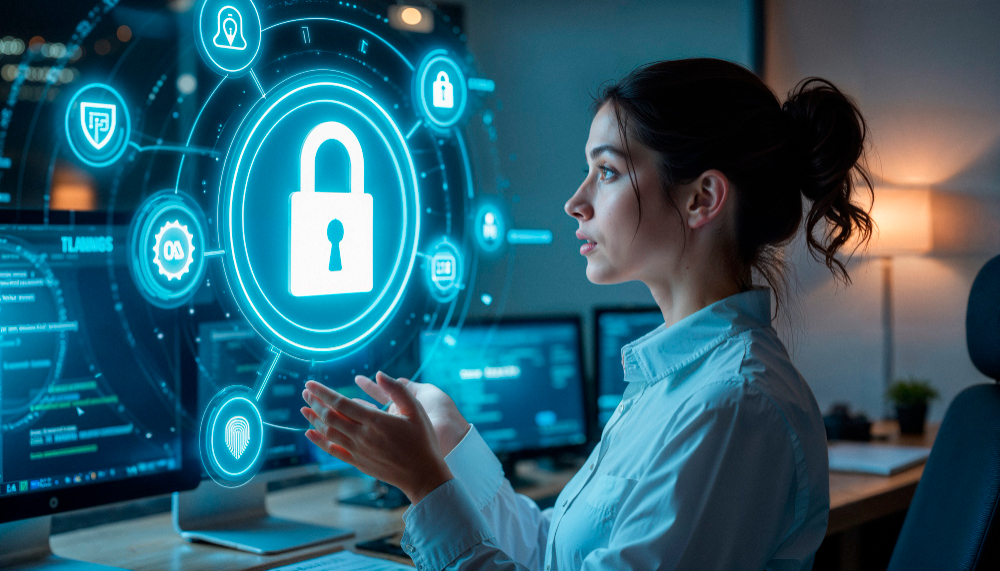
In today’s fast-changing digital environment, cybersecurity has become a critical priority for businesses of every size. With the rise of remote work, cloud-based systems, and AI-driven operations, businesses are more exposed than ever to cyber threats. One powerful yet often debated solution is employee monitoring tools. According to insights inspired by Lode Palle, when used ethically and strategically, these tools can play a critical role in strengthening cybersecurity frameworks.
This blog explores how employee monitoring tools enhance security, mitigate risks, and help organizations stay ahead of cyber threats.
Understanding Employee Monitoring Tools
Employee monitoring tools are software solutions designed to track and analyze employee activities on company devices and networks. These tools can monitor:
- Internet usage
- Application activity
- File transfers
- Login behavior
- Communication patterns
While traditionally used for productivity tracking, their role has expanded significantly in the cybersecurity domain.
Why Cybersecurity Needs Monitoring
Cyber threats are no longer limited to external hackers. Insider threats whether intentional or accidental pose a significant risk to organizations. Employees may unknowingly click on malicious links, download infected files, or share sensitive information.
Lodi Emmanuel Palle highlights that human error remains one of the leading causes of data breaches. This makes real-time visibility into user behavior essential for modern cybersecurity strategies.
Key Ways Employee Monitoring Tools Strengthen Cybersecurity
1. Detecting Suspicious Activity in Real Time
Monitoring tools can identify unusual behavior patterns, such as:
- Accessing sensitive data at odd hours
- Downloading large volumes of files
- Logging in from unfamiliar locations
These anomalies can signal potential security threats, allowing IT teams to take immediate action.
2. Preventing Data Leaks
Data leakage is a major concern for businesses. Monitoring tools help track how data is accessed, shared, and transferred.
For example, if an employee attempts to send confidential files outside the organization, the system can flag or block the action.
3. Enhancing Insider Threat Detection
Not all threats come from outside the organization. Unhappy employees or simple mistakes can result in major security breaches.
Employee monitoring tools provide insights into user behavior, helping organizations detect and prevent insider threats before they escalate.
4. Strengthening Compliance and Accountability
Many industries are subject to strict data protection regulations. Monitoring tools help ensure compliance by maintaining detailed logs of user activities.
These logs can be used for audits, investigations, and accountability, reducing the risk of legal and financial penalties.
5. Supporting Incident Response
During a cyberattack, responding swiftly is essential to minimize damage. Monitoring tools provide valuable data that helps security teams understand what happened, how it happened, and how to prevent it in the future.
This improves incident response time and minimizes damage.
Balancing Security and Privacy
While employee monitoring tools offer significant benefits, they must be implemented responsibly. Clear communication and responsible practices are crucial for building and maintaining trust.
Organizations should:
- Inform employees about monitoring policies
- Clearly define what is being monitored
- Ensure data is used only for security purposes
- Comply with privacy laws and regulations
Lodi emphasizes that trust and transparency are key to successfully integrating monitoring tools into workplace culture.
Best Practices for Implementing Monitoring Tools
1. Define Clear Objectives
Before implementing any monitoring solution, organizations must identify their goals. Is the focus on preventing data breaches, improving compliance, or detecting insider threats?
Clear objectives ensure that monitoring efforts are aligned with business needs.
2. Use AI-Powered Analytics
Modern monitoring tools leverage AI to detect patterns and anomalies more effectively. These advanced capabilities help organizations stay ahead of evolving cyber threats.
3. Integrate with Existing Security Systems
Employee monitoring tools should be part of a broader cybersecurity ecosystem, including firewalls, antivirus software, and intrusion detection systems.
Integration ensures a more comprehensive security approach.
4. Train Employees
Education is a critical component of cybersecurity. Employees should be trained to recognize threats, follow security protocols, and understand the importance of monitoring systems.
5. Regularly Review and Update Policies
Cyber threats are constantly evolving. Organizations must regularly review their monitoring strategies and update policies to address new cyber risks.
Challenges and Considerations
Despite their advantages, employee monitoring tools come with challenges:
- Privacy Concerns: Employees may feel uncomfortable being monitored
- Legal Compliance: Different regions have varying laws regarding monitoring
- Data Security: Monitoring data itself must be protected
- Over-Monitoring Risks: Excessive monitoring can impact morale and productivity
Organizations must carefully balance these factors to ensure effective implementation.
The Future of Employee Monitoring and Cybersecurity
As technology continues to evolve, employee monitoring tools will become more advanced and integrated with AI-driven cybersecurity systems. Predictive analytics, behavioral biometrics, and automated threat detection will redefine how organizations protect their digital assets.
According to Lodi Emmanuel Palle, the future of cybersecurity lies in proactive defense strategies that combine technology, human awareness, and intelligent monitoring.
FAQ: Employee Monitoring and Cybersecurity
1. Are employee monitoring tools legal?
Yes, but legality depends on local laws and regulations. Organizations must ensure compliance and maintain transparency.
2. Do monitoring tools invade employee privacy?
When implemented ethically and transparently, they can balance security needs with privacy concerns.
3. Can monitoring tools prevent cyberattacks?
They significantly reduce risks by detecting suspicious activities early, but they should be part of a broader cybersecurity strategy.
4. What industries benefit the most?
Industries handling sensitive data, such as finance, healthcare, and IT, benefit greatly from monitoring tools.
5. How can businesses choose the right tool?
Organizations should evaluate features, scalability, integration capabilities, and compliance with regulations.
Final Thoughts
Employee monitoring tools are no longer just productivity trackers—they are essential components of modern cybersecurity strategies. By providing real-time insights, preventing data leaks, and enhancing threat detection, these tools help organizations build a stronger defense against cyber threats.
Insights inspired by Lodi Emmanuel Palle highlight that the key to effective cybersecurity lies in a balanced approach leveraging technology while maintaining trust and transparency.
As cyber risks continue to grow, organizations that adopt proactive monitoring strategies will be better equipped to protect their data, employees, and reputation.Comments (2)
Lode Palle: Why Cyber Risk Is Moving Into Trusted Dependencies
October 14, 2026
[…] For example, an online business may depend on a payment gateway, a cloud hosting provider, several software libraries, and an analytics platform. Each dependency performs a useful function, but weaknesses in any connected component can affect the wider environment. Understanding these relationships is essential for identifying hidden cybersecurity risks. […]
Leave a comment
© 2022 Lode Palle

Lodi Palle: Why Identity Sprawl Creates New Security Gaps
September 9, 2026
[…] platforms may use different identity models, permission structures, policies, and administrative tools. Without centralized visibility, security teams may struggle to understand the complete access […]