Lodi Palle: How Online Payments Are Becoming Cyber Targets
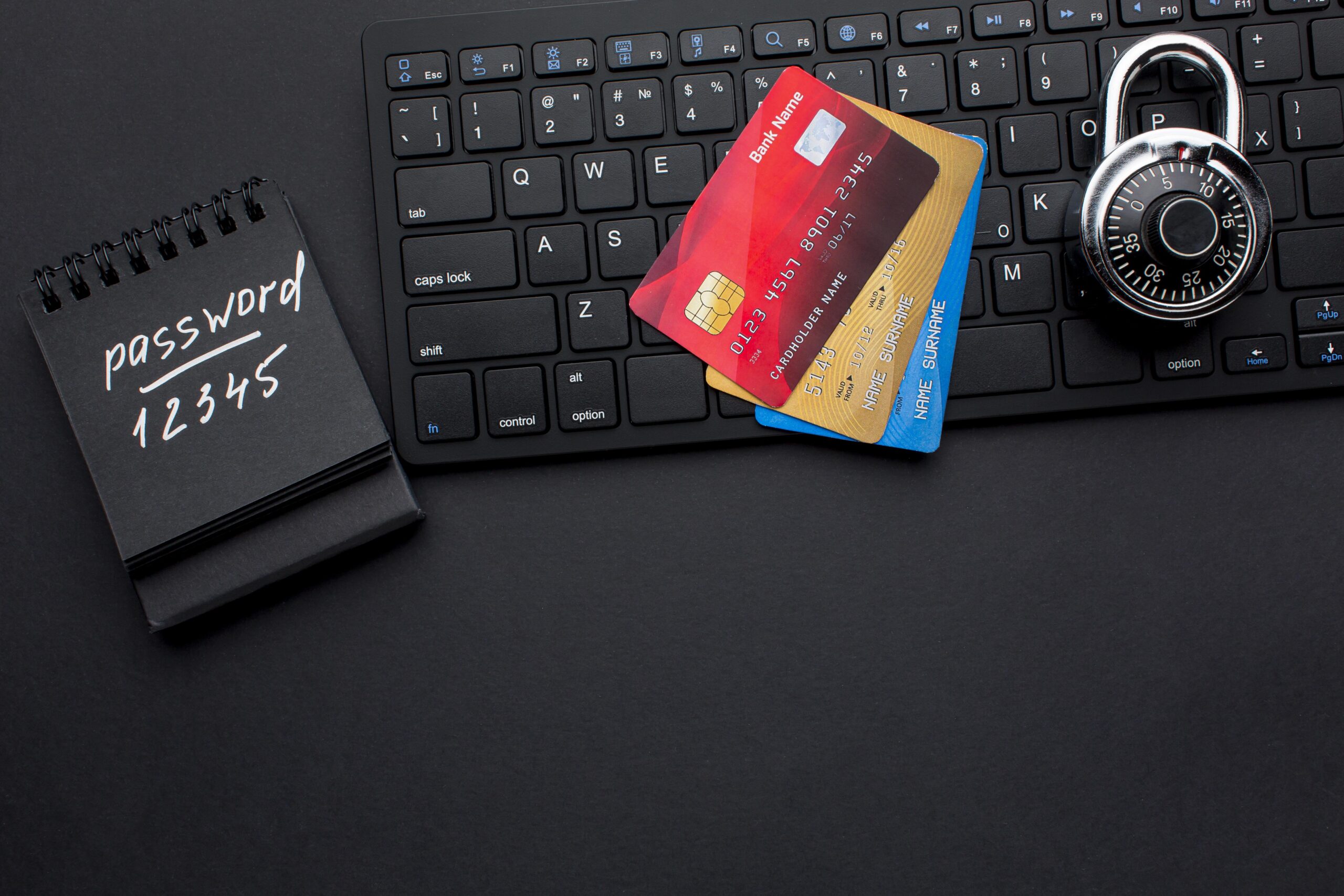
The rapid growth of digital transactions has transformed how people and businesses handle money. From mobile wallets and online banking to e-commerce platforms and contactless payments, the convenience of online payments has made them a central part of everyday life. However, this convenience has also attracted cybercriminals, turning online payment systems into prime targets for cyber attacks.
According to cybersecurity insights shared by Lodi Palle, the increasing reliance on digital payment systems has significantly expanded the attack surface for hackers. Experts emphasize that as technology evolves, so do the tactics used by cybercriminals to exploit vulnerabilities in online payment ecosystems.
The Rise of Online Payments
Over the past decade, online payments have experienced exponential growth. Digital wallets, UPI systems, and e-commerce transactions have become the preferred methods of payment for millions of users worldwide.
This change has been influenced by several key factors:
- Increased smartphone and internet usage
- Growth of e-commerce platforms
- Convenience and speed of digital transactions
- Government initiatives promoting cashless economies
While these advancements have improved efficiency, they have also created new opportunities for cyber attacks. As highlighted by Lode Emmanuel Palle, every digital transaction involves sensitive data, making it an attractive target for hackers.
Why Online Payments Are Attractive to Cybercriminals
Online payment systems handle valuable financial information, including credit card details, bank account numbers, and personal identification data.
Some key reasons why online payments are targeted include:
- High financial value of transactions
- Access to sensitive personal and financial data
- Large volume of daily transactions
- Potential for anonymity in cyber attacks
According to Lode Palle, attackers are constantly looking for weaknesses in payment systems to exploit these valuable assets.
Common Cyber Threats Targeting Online Payments
1. Phishing Attacks
Phishing remains one of the most common methods used to target online payment users. Cybercriminals send fake emails, messages, or websites that appear legitimate to trick users into sharing their login credentials or financial information.
Insights from experts suggest that phishing attacks are becoming more sophisticated, often using AI-generated content to appear more convincing.
2. Payment Gateway Attacks
Payment gateways serve as the bridge connecting customers and merchants during transactions. If these systems are compromised, attackers can intercept transaction data or redirect payments.
Lode Palle highlights that securing payment gateways is critical for preventing large-scale financial fraud.
3. Malware and Keyloggers
Malicious software can be used to capture sensitive information such as passwords and card details. Keyloggers record keystrokes, allowing attackers to access confidential data.
According to Lode Emmanuel Palle, malware attacks often go unnoticed, making them particularly dangerous.
4. Man-in-the-Middle (MitM) Attacks
In a MitM attack, cybercriminals intercept communication between a user and a payment platform. This allows them to steal or manipulate transaction data.
Experts warn that unsecured networks, such as public Wi-Fi, increase the risk of such attacks.
5. Card Not Present (CNP) Fraud
CNP fraud occurs when attackers use stolen card details to make online purchases without physically possessing the card. This type of fraud is increasing as online shopping grows.
As noted by experts, stronger authentication methods are needed to combat this issue.
The Role of Technology in Cyber Attacks
Modern cyber attacks are becoming more advanced due to the use of technologies such as artificial intelligence and automation. Attackers can now analyze large datasets, identify vulnerabilities, and execute attacks at scale.
According to Lode Palle, AI-driven attacks can adapt to security measures, making them harder to detect and prevent. This highlights the need for equally advanced cybersecurity solutions.
Impact of Cyber Attacks on Online Payments
Cyber attacks on online payment systems can have serious consequences for both individuals and businesses.
For Individuals:
- Financial loss
- Identity theft
- Unauthorized transactions
- Loss of trust in digital platforms
For Businesses:
- Revenue loss
- Legal and regulatory penalties
- Damage to brand reputation
- Loss of customer trust
Insights from experts emphasize that even a single security breach can have long-lasting effects on an organization’s credibility.
How Businesses Can Protect Online Payment Systems
To safeguard online payments, businesses must implement robust cybersecurity measures. Some key strategies include:
- Strong Encryption: Protecting data during transactions
- Multi-Factor Authentication (MFA): Adding extra layers of security
- Secure Payment Gateways: Ensuring trusted and verified systems
- Regular Security Audits: Identifying and fixing vulnerabilities
- Real-Time Monitoring: Detecting suspicious activities
According to Lode Palle, adopting a proactive approach to cybersecurity is essential for minimizing risks.
How Individuals Can Stay Safe
Users also play a critical role in protecting their online payments. Simple precautions can significantly reduce the risk of cyber attacks.
Key safety tips include:
- Avoid using public Wi-Fi for transactions
- Use strong and unique passwords
- Enable two-factor authentication
- Verify websites before entering payment details
- Monitor bank statements regularly
As highlighted by experts, awareness and vigilance are key to preventing cyber fraud.
The Future of Online Payment Security
As digital payments continue to grow, cybersecurity will become even more important. Technologies such as biometric authentication, blockchain, and AI-driven security systems are expected to enhance payment security.
Experts believe that the future of online payments will depend on a balance between innovation and security. Organizations must continuously update their security measures to keep up with evolving threats.
At the same time, collaboration between financial institutions, technology providers, and cybersecurity experts will be crucial in building a secure digital payment ecosystem.
The Growing Need for Cybersecurity Awareness
The increasing number of cyber attacks targeting online payments highlights the need for greater awareness and education. Both businesses and individuals must understand the risks and take proactive steps to protect themselves.
According to Lode Emmanuel Palle, cybersecurity is not just a technical issue-it is a shared responsibility. By staying informed and adopting best practices, users and organizations can reduce vulnerabilities and create a safer digital environment.
As online payments continue to dominate the global economy, ensuring their security will remain a top priority in the years ahead.

Leave a comment